
Products Search
Views: 0 Author: Site Editor Publish Time: 2026-02-19 Origin: Site


Root canal treatment is one of the most common dental procedures used to save damaged or infected teeth. During this procedure, a variety of specialized tools are employed to clean, shape, and seal the tooth’s inner canals. One of these essential tools is the root canal brush, which plays a crucial role in ensuring the success of the treatment. However, many people wonder how often a root canal brush should be used and whether it's safe for everyday oral care. In this article, we’ll explore everything you need to know about root canal brushes, their intended use, and how frequently they should be used for optimal dental health.
When a tooth becomes infected or severely decayed, a root canal treatment becomes necessary to save the tooth. The process involves removing the damaged or infected pulp from the inside of the tooth, cleaning and shaping the root canals, and filling them to prevent future infections. Throughout this process, a variety of specialized dental tools are used to ensure that the root canals are thoroughly cleaned, shaped, and sealed.
One of the tools commonly used in root canal treatments is the root canal brush. This tool plays a critical role in cleaning the root canal system and removing any residual tissue or debris from the tooth’s inner structure. However, it's important to understand how and when the root canal brush should be used.
In this article, we will break down the function of the root canal brush, explain how often it should be used, and clarify whether it’s suitable for daily oral care.
A root canal brush is a specialized dental instrument designed for use during root canal procedures. Unlike regular toothbrushes, which are used for cleaning the surface of the teeth, a root canal brush is specifically designed to clean the inner walls of the root canal, which can be intricate and narrow.
A root canal brush consists of fine, flexible bristles that are ideal for reaching deep into the complex and often curved anatomy of the root canal system. These brushes are typically used in conjunction with other tools, such as endodontic files and irrigation systems, to ensure that the root canal is thoroughly cleaned and shaped.
The bristles are designed to remove debris, dead tissue, and bacteria from the canal, which helps to reduce the risk of infection and increases the likelihood of a successful root canal treatment. Unlike traditional brushes, root canal brushes are typically single-use, disposable tools, meaning they are designed for one-time use during a treatment session.
Root canal brushes are usually made from materials such as stainless steel or plastic, with bristles that are soft yet firm enough to dislodge any residual tissue without damaging the delicate structures inside the tooth. The design of these brushes ensures that they can reach every corner of the root canal system, even in cases of complex or curved root canals.
The root canal brush is not designed for daily or routine use in oral hygiene. It is a professional dental tool that is meant to be used only during the root canal treatment process. Unlike toothbrushes or other oral hygiene tools, a root canal brush is specifically intended for cleaning the inner canal of a tooth during a single treatment session.
A root canal brush is primarily used during the cleaning and shaping stages of a root canal procedure. During this phase, the dentist will use the brush to remove debris and infected tissue from the canal. The brush is typically used once during the treatment and is then discarded to maintain proper hygiene and avoid cross-contamination.
The brush's one-time use design ensures that it remains sterile and effective during the procedure. Using a root canal brush beyond its intended purpose, such as for daily oral care, could introduce bacteria and compromise the effectiveness of the tool.
Because root canal brushes are specialized tools, they should only be used by dentists or endodontists during root canal treatments. These professionals are trained to handle these tools with precision and are familiar with the proper techniques to use them effectively. While the root canal brush is essential for cleaning the canal and ensuring a successful treatment, it is not appropriate for use outside the dental office.
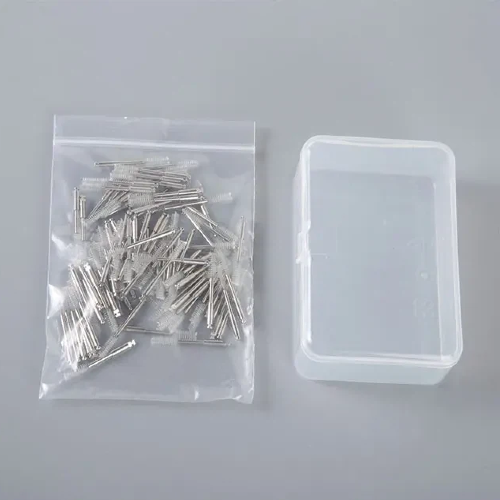
The root canal brush is only necessary in certain situations during root canal treatments. Its main role is to help clean the inner surfaces of the root canal after the damaged pulp has been removed, ensuring that the canal is free of debris, bacteria, and infected tissue.
Cleaning the Root Canal
After the infected pulp has been removed, the dentist uses the root canal brush to clean the inner walls of the canal, preparing it for the next steps in the procedure. The brush helps to ensure that the canal is completely free from any remaining organic material that could lead to reinfection.
Shaping the Canal
Root canal treatment often involves reshaping the canal to ensure that it is properly prepared for sealing. The brush assists in this process by helping to remove debris and smooth the surface of the canal, making it easier to fill and seal.
Removing Bacteria and Debris
Infected tissue and bacteria can remain in the canal even after the pulp has been removed. The root canal brush helps to thoroughly clean the canal and reduce the risk of reinfection by removing any remaining bacteria or organic material.
It’s important to note that root canal brushes should never be used for home oral care. While regular toothbrushes are designed to clean the surface of your teeth and gums, the root canal brush is made for the specific task of cleaning the interior of the tooth’s root canal. It is not suitable for use on the outer surfaces of your teeth or gums.
After completing a root canal treatment, proper aftercare is essential to ensure the healing of the treated tooth and the success of the procedure. While root canal brushes play a critical role during treatment, they are not needed for ongoing oral care.
After a root canal procedure, there are several oral care tools that are recommended to help maintain a clean and healthy mouth:
Tool | Purpose | Recommendation |
Soft-Bristled Toothbrush | Gently cleans teeth without irritating gums | Use twice daily for brushing teeth and gums. |
Interdental Brushes | Cleans between teeth and along the gum line | Use once a day to prevent plaque buildup. |
Dental Floss | Removes food particles and plaque between teeth | Use once a day to maintain good gum health. |
Mouthwash | Reduces bacteria and freshens breath | Use after brushing to kill bacteria and reduce infection. |
Warm Saltwater Rinse | Reduces inflammation and promotes healing | Rinse with saltwater after meals for comfort. |
These tools are designed for regular oral hygiene and will help keep your mouth clean and healthy after root canal treatment.
In conclusion, the root canal brush is an essential tool used exclusively for root canal procedures. It is not intended for daily use or home oral care. Designed as a single-use professional instrument, the root canal brush is vital for cleaning and shaping the inner canals of a tooth during treatment to ensure the procedure’s success. After undergoing a root canal treatment, it is crucial to follow proper post-treatment care by relying on regular oral hygiene tools such as soft-bristled toothbrushes, dental floss, and mouthwash.
At Dongguan Ouwen Medical Device Technology Co., Ltd., we specialize in providing high-quality dental products designed to meet the needs of both dental professionals and patients. If you are looking for reliable tools to support your dental practice or home care routine, we are here to assist you. Feel free to contact us for more information or to discuss how our products can contribute to your oral health and care.
No, root canal brushes are designed specifically for use during root canal treatments and should only be used by dental professionals in a clinical setting.
A root canal brush is typically used once during the root canal treatment to clean and shape the canal. It is not meant for repeated use.
For daily oral care, use soft-bristled toothbrushes, floss, and mouthwash. These tools are designed to clean the teeth and gums and are safe for regular use at home.
Yes, it is important to follow up with your dentist regularly after a root canal treatment to ensure proper healing and monitor the success of the procedure.
